TERROIR
THE FEATURE
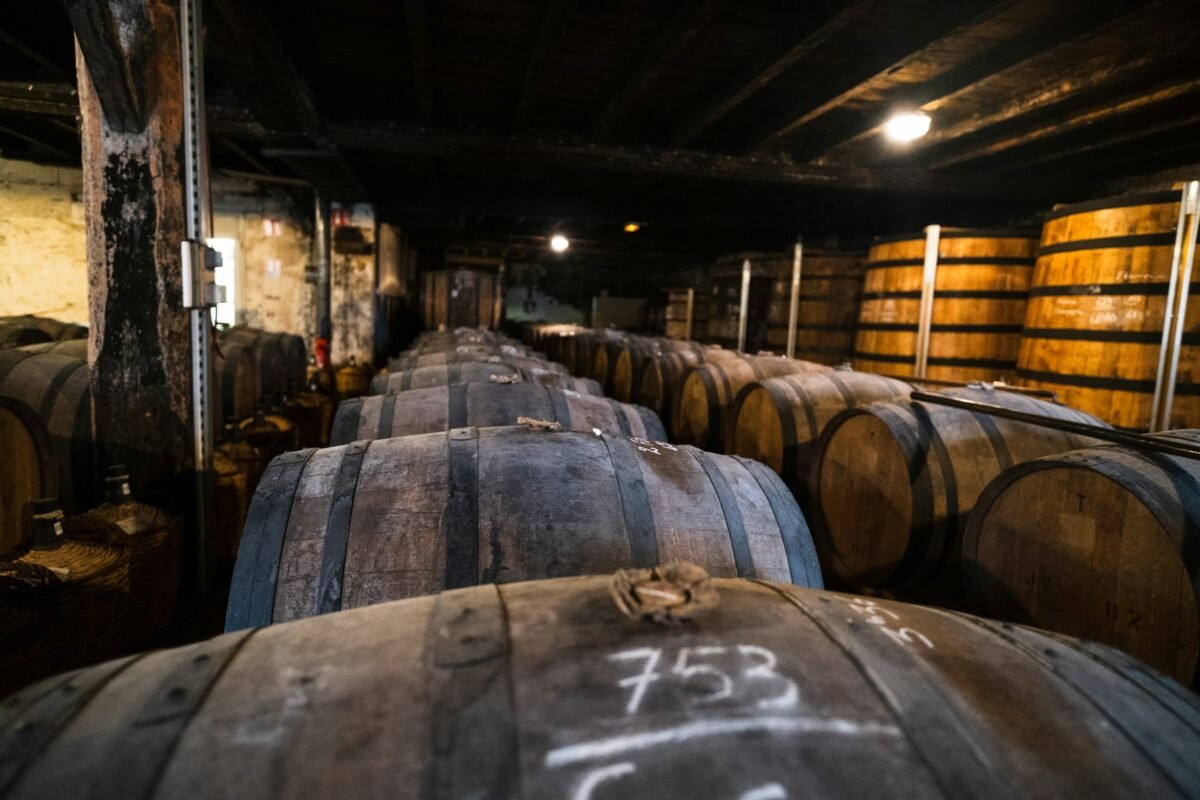
Bordeaux 2025 En Primeur: A Paradox the Market Must Still Believe In
Sixty to ninety millimeters of rain fell on Bordeaux in the last week of August 2025, after three months of drought and one of the hottest summers in decades. The wines came out saline and chalky. Pierre-Olivier Clouet at Cheval Blanc called it “2010 without the alcohol.” James Suckling places the best 2025s at the level of 2019 and 2016.
The vintage is one story. The campaign that releases it across May and June 2026 is the other — the one that decides whether En Primeur survives. 2024 prices fell 22.5 percent and sales dropped roughly 60 percent against 2023. The Liv-ex 2010 index trades 21 percent below release. Edouard Moueix has said that if 2025 fails, the system is dead.
THE DISPATCH
Latest from this week
Hungary’s Great Plain Loses ~80% of Vines to May 1 Frost Event
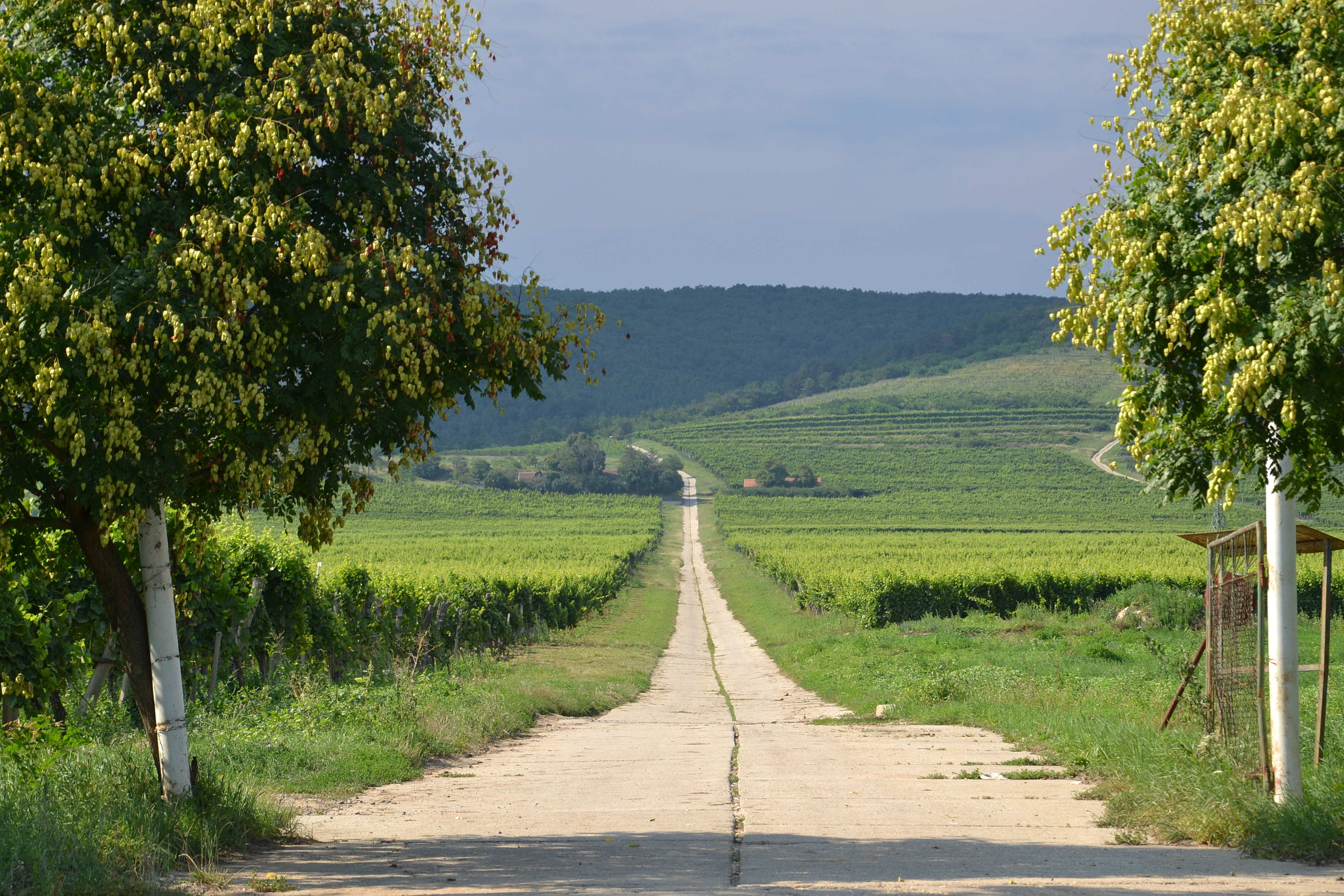
On the night of May 1, an advective frost dropped temperatures to between minus five and minus seven degrees Celsius across Hungary’s Great Plain — the country’s largest viticultural region. Industry estimates put losses at roughly 80 percent of more than 23,000 hectares, with Kunság and Hajós-Baja reporting near-total crop failure. April was unusually dry (about four millimeters of rain against a normal forty), which left vines water-stressed before the cold returned.

France to Uproot 28,000 Hectares of Vineyards in State-Backed Plan
France’s FranceAgriMer scheme has drawn roughly 5,800 applications to clear about 28,000 hectares of vines by the end of 2026, backed by €130 million at four thousand euros per hectare. Most of the area sits in the south-west and Languedoc and grows red varieties. About 37 percent will exit viticulture entirely. Jonathan Hesford at Domaine Treloar put the underlying picture to Connexion France: “only Champagne and very expensive Burgundy are doing well” — most other categories down 20 to 40 percent.
THE PICK
MOVIA REBULA 2022
Aleš Kristančič farms five hectares on the Slovenian side of Goriška Brda, where the Kristančič family has worked vines for eight or nine generations. Rebula, the local name for Ribolla Gialla, has grown in Brda since at least the thirteenth century. The 2022 spends eight months on its skins in 500-litre oak, native-yeast fermented, unfiltered, no added sulphur. The wine is amber rather than white, with chamomile, dried apricot, and pithy citrus on the nose.
Drink it with cured meats and aged cow’s-milk cheese, or with anything that asks for grip. At roughly $35 retail, this is the gateway orange wine for the reader who wants the genre to make sense — old grape, old family, no shortcuts.

Until next Thursday,
The editors of TERROIR